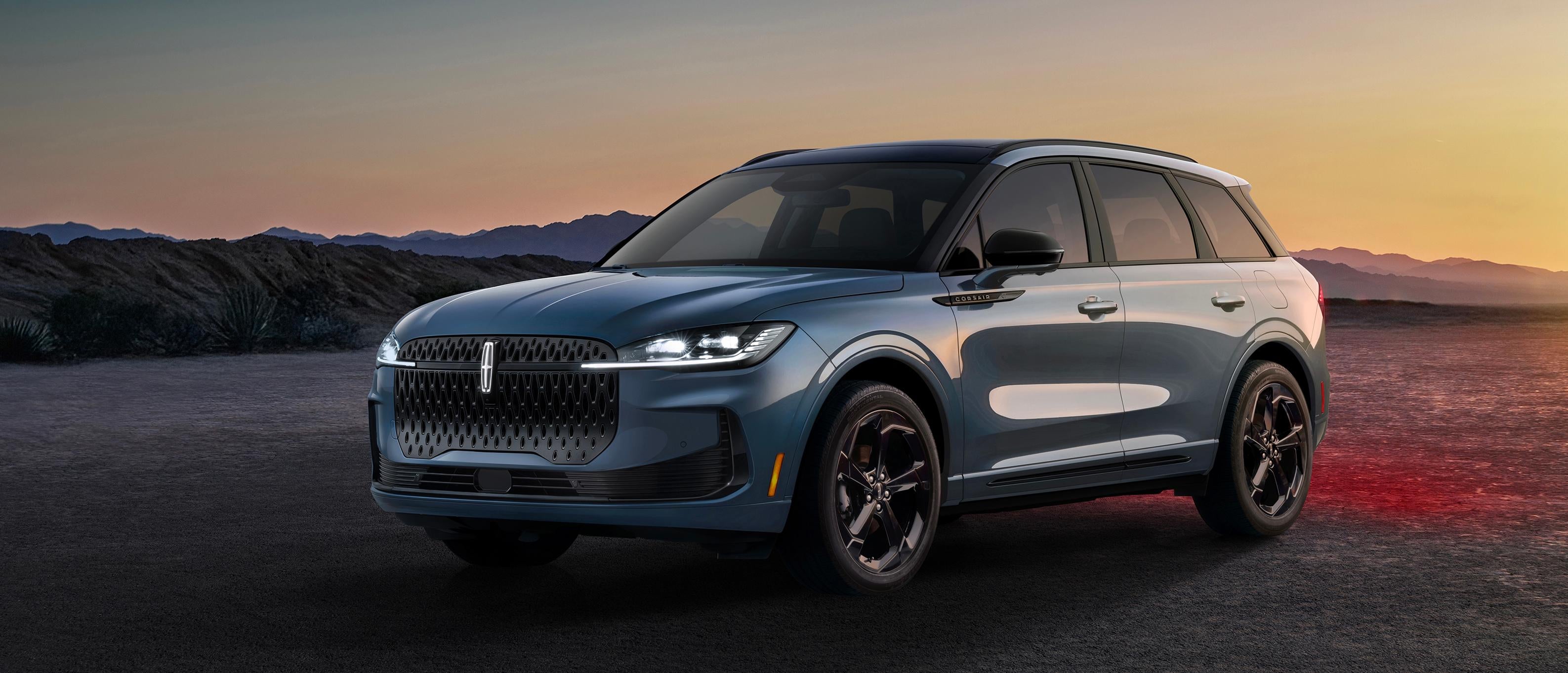
A compact luxury SUV has to do more than look polished in a parking lot. It needs to make the morning commute quieter, handle a wet Washington afternoon with confidence, and give you a place to settle in after a long day. This Lincoln Corsair review focuses on whether Lincoln's smallest SUV delivers that kind of everyday ease - and where shoppers should look closely before deciding.
The short answer is yes, especially for drivers who value a calm cabin, thoughtful technology, and an approachable size. The Corsair is not trying to be the sportiest choice in the compact luxury segment. Its appeal is more measured: a refined ride, welcoming design, useful available powertrain choices, and the kind of comfort that makes ordinary drives feel less demanding.
Lincoln Corsair Review: The Character Matters
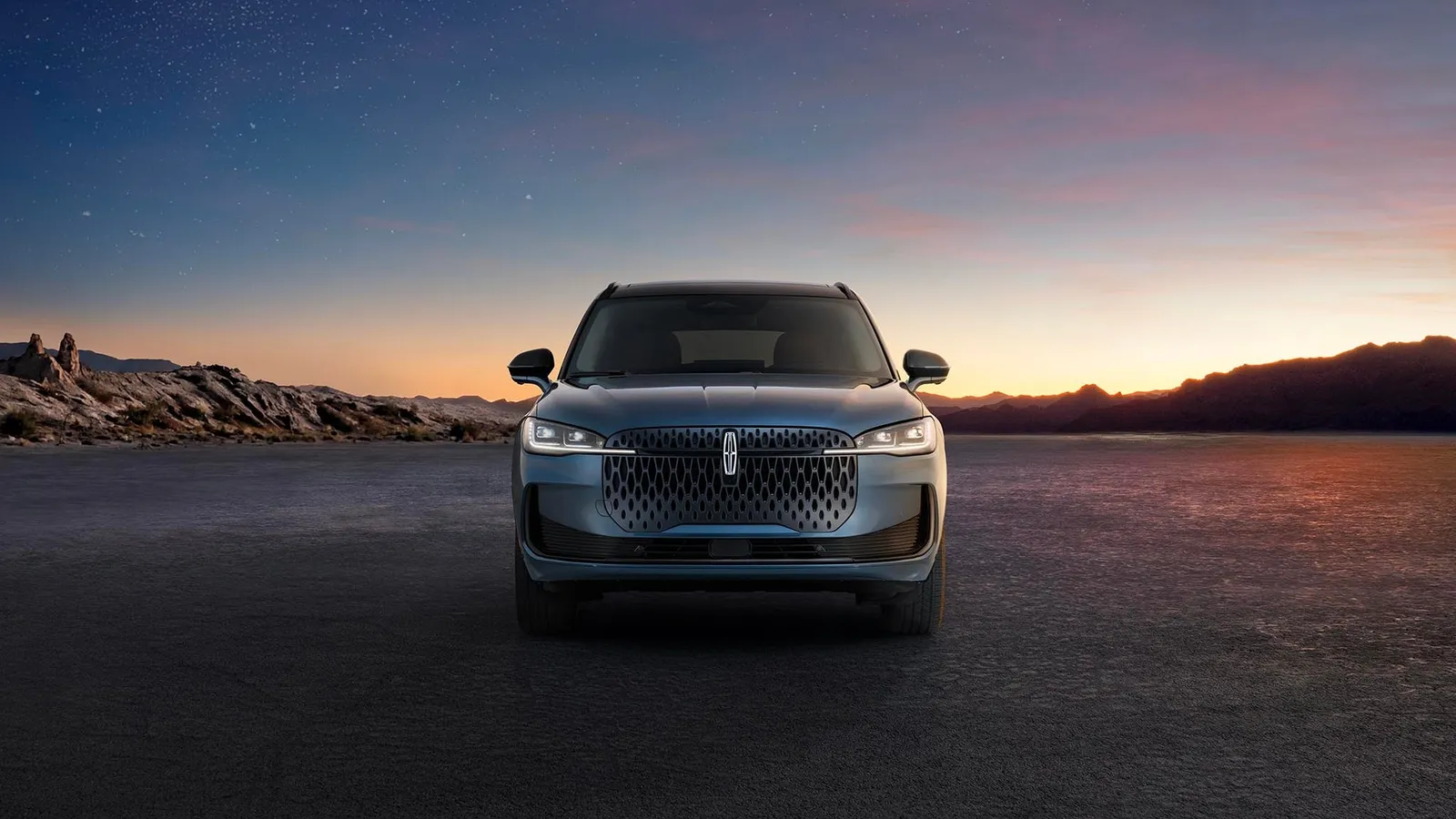
The Corsair feels distinct because it favors composure over drama. From its clean exterior proportions to its quiet, carefully finished cabin, the focus is on making the driver and passengers feel looked after. That makes it a natural fit for someone moving up from a mainstream compact SUV, as well as an established luxury buyer who wants something easier to park and live with than a three-row model.
Its compact footprint is a practical advantage around Tacoma, Puyallup, and Seattle, where garages, parking structures, and crowded errands can make a larger SUV feel like a compromise. Yet the Corsair still presents with enough presence to feel special. It has the upright seating position many SUV shoppers want without the bulky, truck-like feel some do not.
Inside, the experience is defined by soft-touch materials, a clean dash layout, and available comfort features that matter on real drives. Available heated and ventilated front seats, a panoramic Vista Roof, premium audio, and Lincoln's available massage-function seating can turn a familiar route into a noticeably more relaxed experience. Exact equipment varies by trim and model year, so it is worth reviewing the vehicle's window sticker or asking a product specialist about a specific Corsair.
Cabin Space and Everyday Practicality
The Corsair is best for singles, couples, small families, and anyone whose back seat is used regularly but not constantly filled with adults. Front-seat room is generous for the class, and the rear seat can slide to prioritize passenger space or cargo room. That flexibility is more valuable than it sounds when a week might include airport luggage, a stroller, grocery bags, or a weekend trip to the coast.
Cargo room is competitive for a compact luxury SUV, with useful space behind the rear seats that grows considerably when they are folded. Exact figures vary by model year and configuration. The square, usable cargo area matters more than a number alone, and shoppers should bring along the items they carry most often when they test drive.
Performance: Gas or Plug-In Hybrid?
Gas Corsair models from recent years use a turbocharged 2.0-liter four-cylinder engine with approximately 250 horsepower. It provides easy passing power and smooth acceleration without making the vehicle feel overly aggressive. Available all-wheel drive is especially appealing for drivers who head toward mountain passes, face frequent rain, or simply prefer the extra confidence of power going to all four wheels. For 2027, Lincoln moves the Corsair to a single hybrid powertrain that pairs a turbocharged 2.0-liter engine with electric assistance for 305 total combined horsepower, with all-wheel drive standard.
For hybrid-curious shoppers, pre-owned Corsair Grand Touring plug-in hybrid models deserve a closer look. They combine a 2.5-liter gasoline engine with electric assistance for a system output around 266 horsepower. More importantly, they can travel for a limited distance on electric power before the gasoline engine takes over. That can be useful for drivers with predictable daily trips and convenient charging at home or work. The Grand Touring was offered through the 2026 model year, and the 2027 Corsair is a conventional hybrid that does not plug in.
A plug-in hybrid is not automatically the right answer for every household. It works best when charging becomes part of a normal routine. If you cannot charge regularly, or if most of your miles are long highway drives, the standard turbocharged engine may be the simpler and more sensible fit. A Corsair Grand Touring also carries added weight from its battery system, so the driving character is slightly different. Neither choice is universally better - the right one depends on how and where you drive.
Ride Quality Is a Key Strength
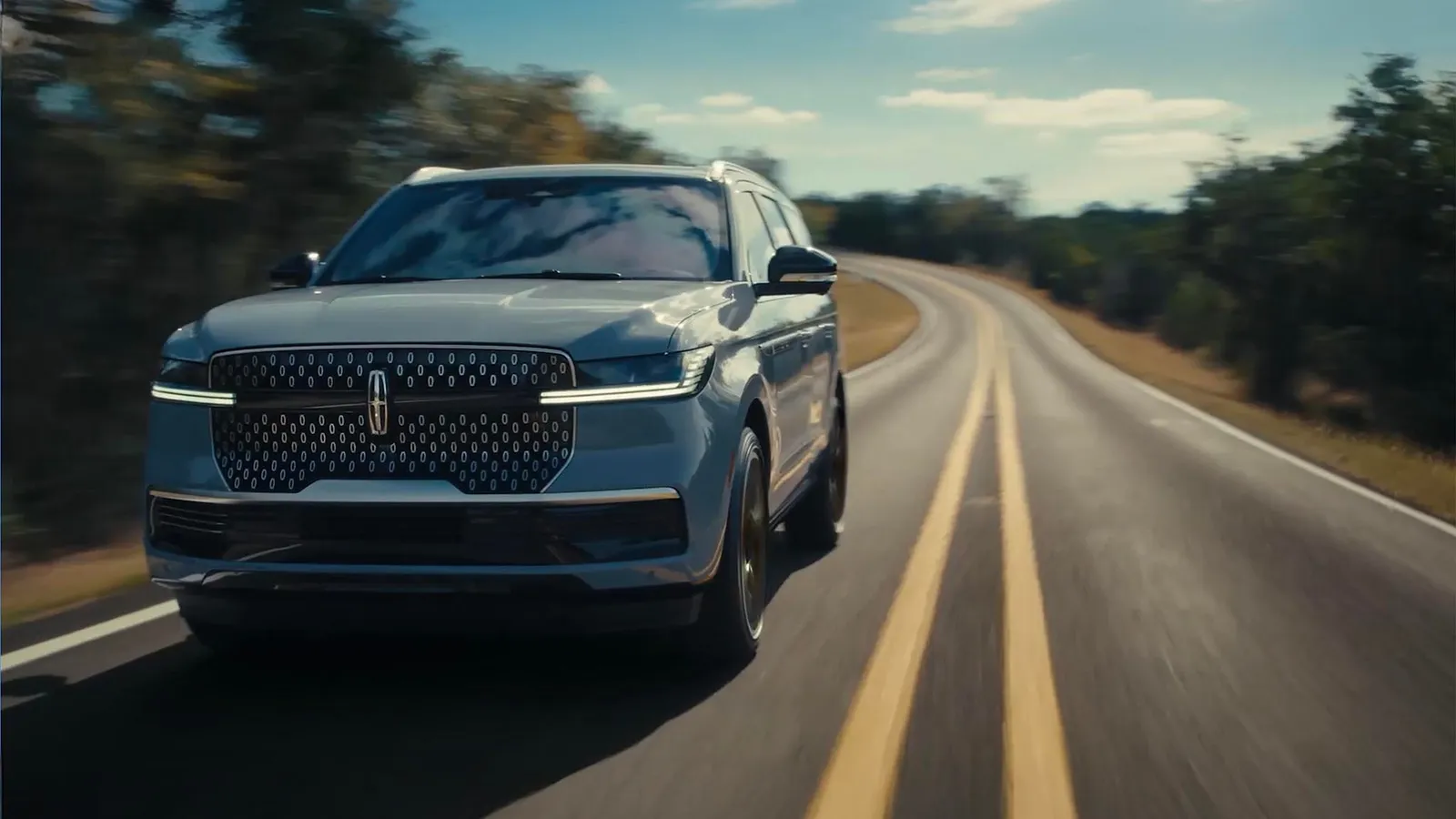
The Corsair's ride is one of its strongest arguments. It absorbs broken pavement and expansion joints with a sense of control, making it particularly pleasant for daily commuting. Steering is light and predictable, which supports the vehicle's easygoing personality.
Drivers who want sharp cornering and a more athletic feel may prefer to compare the Corsair with performance-oriented competitors. But many luxury SUV buyers are not looking for a vehicle that constantly encourages them to drive harder. They want confidence without fatigue, and that is where the Lincoln makes its case.
Technology That Supports, Rather Than Distracts
The Corsair's large center display gives the cabin a modern focal point, while smartphone integration keeps familiar apps close at hand. The screen is large enough to make navigation and settings easy to read without overwhelming the dashboard.
Available driver-assist technology can add useful reassurance in traffic and on longer trips. Features may include blind-spot monitoring, lane-keeping support, adaptive cruise control, and a 360-degree camera system, depending on model year and package. These systems are designed to assist the driver, not replace attention behind the wheel.
When test driving, take a few minutes to try the touchscreen, adjust the seating position, and assess visibility at intersections. Luxury is partly about features, but it is also about how naturally those features work when you are in a hurry.
Corsair vs. Nautilus, Aviator, and Certified Pre-Owned Options
The Corsair makes the most sense when you want Lincoln comfort in a compact package. If you need more rear-seat space, a larger cargo area, or a more substantial highway presence, the Nautilus may be worth considering. It occupies a larger two-row role and is better suited to buyers who regularly carry adult passengers or larger loads.
The Aviator is the better match for families who need a third row or want more towing capability and available power. The Navigator serves a different purpose entirely, offering full-size space for households, road trips, and serious passenger capacity. Choosing among them is less about which model is best and more about which one fits your actual week.
Shoppers should also consider whether a new Corsair or a certified pre-owned Lincoln is the better route. A new vehicle offers the latest features and full choice of available configurations. A certified pre-owned model can be compelling for buyers who want Lincoln refinement with a carefully inspected vehicle and a more established ownership history. In either case, compare the individual vehicle's equipment, warranty coverage, mileage, and condition rather than assuming every Corsair is equipped the same way.
What to Check During a Corsair Test Drive
A thoughtful test drive should feel less like a lap around the block and more like a preview of ownership. Drive the routes that resemble your daily life, including surface streets and highway speeds if possible. Listen for how quiet the cabin stays, test the rear-seat access, and see whether the cargo area works for your needs.
If you are considering the plug-in hybrid, ask about charging habits and confirm whether home charging is practical for you. If you are choosing all-wheel drive, consider whether it matches the conditions you encounter rather than selecting it out of habit. And if you are comparing trims, focus first on the features you will use every day: seating comfort, visibility, audio, driver assistance, and convenience features.
The best reason to choose a Corsair is not a spec sheet alone. It is the way the vehicle makes daily driving feel more settled and considered. Browse available new and pre-owned Corsair models, then schedule a test drive with Korum Lincoln to find the configuration that feels right for your commute, your passengers, and your weekends.
Frequently Asked Questions
Is the new Lincoln Corsair a plug-in hybrid?
No. Lincoln's newest Corsair uses a conventional hybrid system that recharges its own battery while you drive, so there is no charging cable or home charger to plan for. The earlier Corsair Grand Touring was a plug-in hybrid, and those models can still turn up on the pre-owned market. Korum Lincoln can explain how each setup fits your commute around Puyallup and Tacoma.
Does the Lincoln Corsair come with all-wheel drive?
Lincoln lists all-wheel drive as standard on the newest hybrid Corsair. Earlier gas models offered front-wheel drive or available all-wheel drive, so check the window sticker on any pre-owned Corsair. All-wheel drive helps with traction on wet Pierce County roads and on trips toward the Cascade passes, but good tires still matter most for stopping and steering grip.
Is the Corsair big enough for a small family?
For many small families it is. The rear seat slides to favor either passenger room or cargo space, and the cabin works well for car seats and daily errands. Families who regularly carry three children or bulky gear may find the Nautilus or Aviator easier to live with. Bring your car seats and stroller to Korum Lincoln in Puyallup and test the fit before you decide.
Can I service a Corsair hybrid at Korum Lincoln?
Yes. Korum Lincoln in Puyallup is a Lincoln dealer whose service department handles scheduled maintenance, warranty work and diagnostics for Lincoln vehicles, including hybrid models. A hybrid still needs tire rotations, brake inspections, fluid checks and software updates. Drivers from Sumner, Auburn, Tacoma and Federal Way can schedule service online or ask about pickup and delivery availability.