Blog

Hybrid Battery Lifespan for Lincoln SUV Owners

Hybrid Battery Lifespan for Lincoln SUV Owners

A hybrid SUV should feel like an easy choice to live with: quiet pull-away power, confident highway passing, and fewer stops for fuel. That is why hybrid battery lifespan is one of the first questions thoughtful shoppers ask before choosing a Lincoln hybrid or a pre-owned electrified luxury SUV. The reassuring answer is that the high-voltage battery is designed for years of regular use, not a short ownership window. Its actual life, however, depends on the vehicle, driving habits, climate, and the quality of its maintenance history.

For drivers around Puyallup, Tacoma, and the wider Puget Sound, the mild regional climate can be favorable for battery health. Still, it helps to understand what the battery does, what normal aging looks like, and when a service visit is worth scheduling.

What Hybrid Battery Lifespan Usually Looks Like

A hybrid battery is different from the familiar 12-volt battery that starts a vehicle. It is a high-voltage energy-storage system that works with the gas engine and electric motor to improve efficiency, support smooth acceleration, and recover energy during braking. Lincoln hybrid systems actively manage battery temperature and charging to help protect the battery over the long term.

Most modern hybrid batteries are built to last well beyond the early years of ownership. Many hybrid batteries remain in dependable service for many years, and it is not unusual for a properly maintained battery to remain in service much longer. There is no universal mileage number because battery age is only one part of the picture. A vehicle driven gently on consistent routes may age differently than one used for frequent towing, long mountain grades, or stop-and-go commuting.

For shoppers considering a certified pre-owned hybrid, condition matters more than the odometer alone. A newer vehicle with a complete service history and consistent use may be a more appealing choice than one with lower mileage but years of inactivity or deferred maintenance.

Why Hybrid Batteries Lose Capacity

Every rechargeable battery gradually loses some capacity. This is normal chemistry, not automatically a sign that anything has failed. As capacity changes over time, the vehicle's hybrid system is designed to manage available energy intelligently, so many owners never notice a dramatic shift in daily driving.

Heat is one of the biggest long-term influences. High temperatures can speed battery aging, which is why the cooling system and battery ventilation paths deserve attention. The Pacific Northwest's generally temperate weather is helpful, but hot summer parking conditions, repeated strenuous driving, and blocked air intake areas can still add unnecessary stress.

Extreme cold affects the amount of energy a battery can deliver temporarily. That is usually a cold-weather performance characteristic rather than permanent damage. On chilly Washington mornings, the gas engine may run more often while the vehicle warms up, and fuel economy can dip. As temperatures rise, normal operation generally returns.

Time, frequent high-load demands, and a lack of regular maintenance can also contribute. The key distinction is between normal capacity reduction and a diagnosable problem. A factory-trained technician can evaluate the system if a warning appears or the vehicle's behavior changes.

Hybrid Versus Plug-In Hybrid Battery Use

A conventional hybrid charges its battery through the engine and regenerative braking. The battery typically stays within a managed operating range and is not intended to be plugged in. This controlled approach is one reason conventional hybrid batteries can provide durable service.

A plug-in hybrid uses a larger battery and can travel on electric power for a limited distance before relying more heavily on its gas engine. The Lincoln Corsair Grand Touring, for example, offered a plug-in hybrid option in the Lincoln lineup through the 2026 model year and remains available on the pre-owned market. Lincoln's current hybrids, the Nautilus and the newest Corsair, are conventional hybrids that do not plug in. Plug-in hybrid battery lifespan can still be strong, but charging habits, charging environment, and periods of non-use take on a slightly larger role.

Neither setup is inherently the better choice for every driver. A conventional hybrid can suit drivers who want improved efficiency without changing routines. A plug-in hybrid can make particular sense for households able to charge regularly and whose daily travel fits its electric driving range.

Signs a Hybrid Battery Needs Attention

A hybrid battery rarely fails without any warning. The vehicle continuously monitors its high-voltage system, and a dashboard message or warning light should always be taken seriously. It does not necessarily mean a battery replacement is required, but it does mean the system should be inspected promptly.

Other changes can be worth discussing with a service advisor, especially if they persist. These include noticeably reduced fuel economy in similar driving conditions, more frequent engine cycling, reduced electric assist, unusual cooling-fan noise, or a change in the vehicle's ability to hold an expected charge in a plug-in hybrid.

These symptoms can have several causes. Tires, weather, driving routes, the 12-volt battery, software updates, and other vehicle systems can affect hybrid behavior. That is why replacing a high-voltage battery should never be the first assumption. Proper diagnostics identify the actual concern before work is recommended.

How to Help Extend Hybrid Battery Life

Hybrid ownership does not require a complicated care routine. The best approach is simple, consistent attention to the systems that support the battery.

Follow the recommended maintenance schedule, including inspections of cooling components and air pathways. If your vehicle has a battery air intake or vent, keep the area clear of bags, pet hair, dust, and other debris. A clean cabin and cargo area can genuinely support efficient battery cooling.

For a plug-in hybrid, use an appropriate charging setup and avoid leaving the vehicle unused for extended periods with a very low state of charge. If a vehicle will sit for weeks, consult the owner's manual or a Lincoln service professional for model-specific storage guidance. There is no need to chase a perfect charge level every day; the vehicle's battery-management system is designed to help with that work.

Driving smoothly helps, too. Strong acceleration is part of the luxury SUV experience when you need it, but anticipating stops allows regenerative braking to recover energy more effectively. It also makes for a more relaxed drive through traffic around Tacoma or on the way toward Seattle.

Most of all, respond quickly to warnings. A small issue in a cooling, charging, or electrical system is easier to address before it affects the ownership experience.

Does a Hybrid Battery Affect Resale Value?

It can, particularly when shoppers do not have clear information about condition and warranty coverage. Buyers naturally want confidence that an electrified vehicle has been cared for. Service records, a vehicle history report, and a professional inspection all help tell that story.

For a pre-owned luxury SUV, overall condition remains just as important as the battery. Interior care, tire condition, brakes, technology operation, and routine maintenance all influence the confidence a future buyer will have in the vehicle. If you are comparing models, take time to review available new vehicles and used vehicles with a product specialist who can explain each powertrain's intended use without pressure.

Warranty coverage for hybrid components varies by model year, vehicle configuration, and applicable regulations. Before purchasing, review the warranty details for the specific vehicle rather than relying on a broad rule of thumb. That conversation is especially useful for shoppers weighing a new Lincoln against a certified pre-owned option.

When to Schedule Hybrid Service

Routine appointments are the right time to ask about battery health, but you should not wait for routine service if a warning message appears. A Lincoln-trained team can scan for stored diagnostic codes, inspect supporting systems, and explain the findings in plain language.

This matters because hybrid vehicles combine sophisticated electrical components with conventional mechanical systems. You still need tire service, brake inspections, fluid checks, and software updates where applicable. The benefit is not just long-term battery care. It is preserving the quiet, composed, effortless driving character that made the vehicle appealing in the first place.

If you are shopping for a hybrid or plug-in hybrid luxury SUV, schedule a test drive and ask direct questions about battery coverage, charging expectations, and service history. The right vehicle should fit your daily routine comfortably, with ownership support that feels just as considered as the drive.

Frequently Asked Questions

What warranty covers a Lincoln hybrid battery?

Lincoln provides separate limited warranty coverage for hybrid unique components, including the high-voltage battery, and those terms differ from the basic and powertrain coverage. What remains depends on the model year and the original in-service date. Before buying new or pre-owned, ask Korum Lincoln to confirm what hybrid coverage remains on that specific vehicle.

Does Washington charge an extra fee for hybrid vehicles?

Yes. Washington adds an annual fee at registration for hybrid vehicles, and plug-in hybrids that meet the state electric range threshold pay the electric vehicle fees instead. Amounts are set by state law and can change, so check your renewal notice. Budget for that fee along with your regular tab renewal when comparing a hybrid with a gas SUV.

Do hybrid batteries do well in Puget Sound weather?

The mild, damp climate around Puyallup, Tacoma and Federal Way is generally easy on hybrid batteries, since sustained heat is a bigger long term concern than rain. Cold mornings can temporarily reduce electric assist and fuel economy, which is normal. Keep battery cooling vents clear and follow the maintenance schedule so the system can manage temperature as designed.

Can Korum Lincoln check my hybrid battery health?

Yes. The service department at Korum Lincoln in Puyallup can scan the hybrid system for stored codes, inspect cooling and supporting components, and explain the results in plain language. Mention any changes you have noticed in fuel economy, engine cycling or warning messages when you book. Owners from Sumner, Auburn and across Pierce County can schedule service online.
Recommended Posts

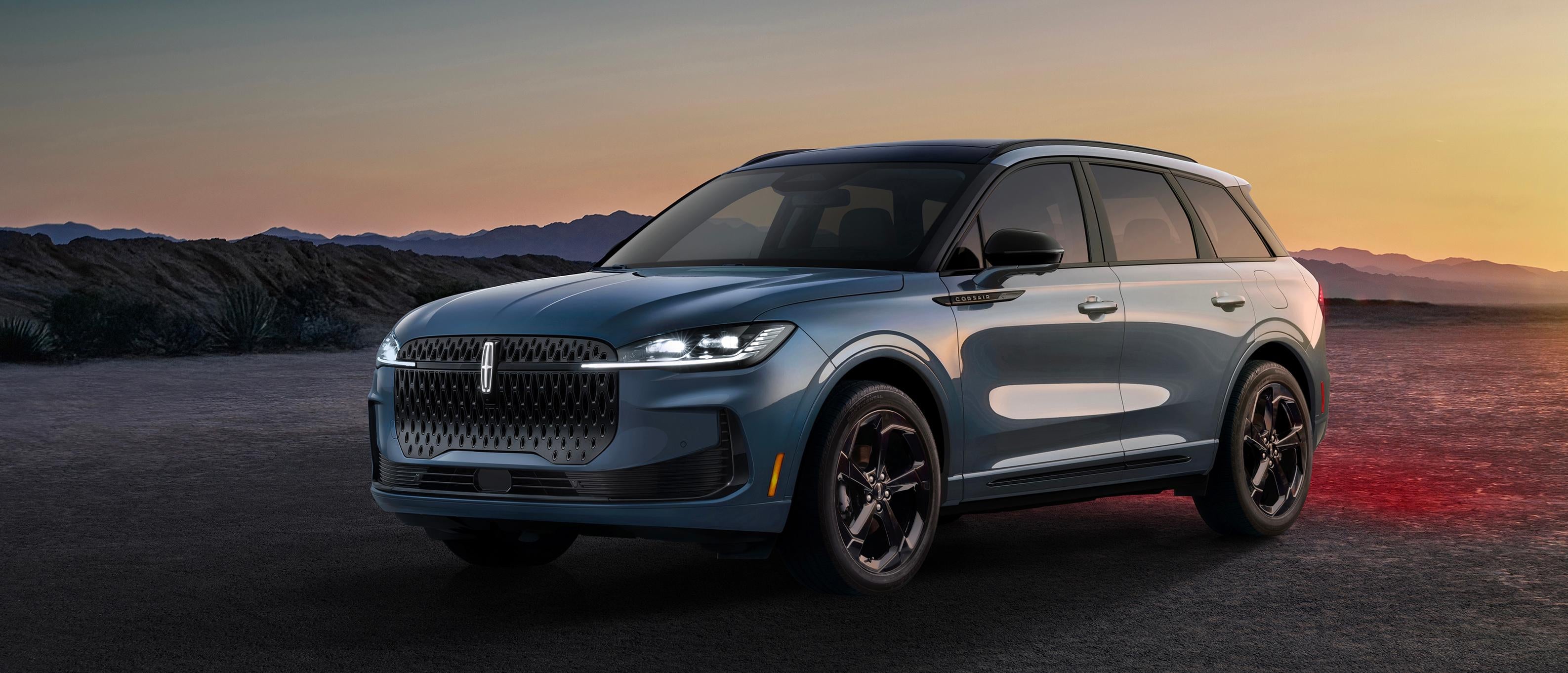
The thoughtfully crafted 2027 Lincoln Corsair® Hybrid parked against a dramatic desert backdrop at twilight, exterior view

Lincoln SUV Lineup Guide for Puyallup Drivers: Corsair, Nautilus, Aviator and Navigator

By Korum Lincoln Team · Published October 28, 2026 If you are starting to shop for a Lincoln, the first question is simple: which one? Lincoln builds four SUVs today, and each one fills a different spot, from a compact hybrid to a full size three row hauler. This guide walks Puyallup drivers through the lineup in plain terms so you can narrow your list before you ever step on a lot. You will see how the models compare on size, seating, power and towing, plus a few questions to ask yourself along the way. How the Lincoln Lineup Is Organized Lincoln keeps its lineup easy to follow. Every current model is an SUV, and they step up in size like a ladder. The Corsair is the smallest. The Nautilus is a two row midsize. The Aviator adds a third row. The Navigator is the largest and comes in two lengths. Each model shares a common approach to comfort. You get quiet cabins, soft seats and a focus on calm, easy driving rather than sharp edges. The differences come down to how many people you carry, how much gear you bring and how much power you want under your right foot. Trim names you will see Most Lincoln models use the same trim names, which makes comparing them easier. Premiere is the starting point. Reserve adds more comfort and technology. Black Label is the top level on the larger models, with special interior themes and extra owner perks. The 2027 Corsair Hybrid is offered in Premiere and Reserve, according to Lincoln. Model years on the lot right now Lincoln changes model years at different times for each vehicle. As of this writing, Lincoln's website shows the 2027 Corsair Hybrid, the 2026 Nautilus, the 2026 Aviator and the 2027 Navigator. When you shop, ask which model year a vehicle is, because features can shift from year to year. The figures in this guide name the year they come from. Lincoln Corsair: The Compact Choice The Corsair is the entry point to the brand and the easiest Lincoln to park. It makes sense if you drive mostly in town, commute alone or with a passenger, and want a luxury feel without a large footprint. It fits well in tight spaces in downtown Tacoma or a crowded parking garage at the mall. For 2027, Lincoln made the Corsair a hybrid. The 2027 Corsair Hybrid uses a 2.0L turbocharged hybrid engine rated at 305 total combined horsepower, and all wheel drive is standard, according to Lincoln. That pairing matters in Western Washington, where rain and wet leaves are part of daily driving for months at a time. It seats five. Who the Corsair fits Commuters who want good manners in stop and go traffic on SR 167 or I-5. Drivers moving up from a compact car who want more comfort and a higher seat. Owners who want hands free highway driving: Lincoln lists BlueCruise with four years included on the 2027 Corsair Premiere. On the Reserve trim, Lincoln offers available 24 way power Perfect Position front seats with Active Motion massage. If you spend a lot of time behind the wheel, those seats are worth trying during a test drive. Lincoln Nautilus: The Two Row Midsize The Nautilus is the middle ground. It has more rear seat room and cargo space than the Corsair, but it does not carry the weight or length of a three row SUV. For many households, it is the right size: room for a family of four or five, a dog and a weekend of gear. The 2026 Nautilus comes standard with a 2.0L turbocharged engine rated at 250 horsepower and 280 lb.-ft. of torque, according to Lincoln. A hybrid powertrain is also available. Lincoln lists up to 71.2 cubic feet of total cargo space with the second row folded and a maximum towing capacity of 1,750 lbs when properly equipped. The cabin is the headline The feature people remember from a Nautilus test drive is the screen. Lincoln fits a 48 inch panoramic display that runs across the base of the windshield, paired with an 11.1 inch center display. The wide screen shows navigation, audio and vehicle information without asking you to look far from the road. Some people love it right away. Others need a few minutes to get used to it. Sit with it for a while before you decide. Who the Nautilus fits Families who rarely need a third row but want room to grow. Drivers who want hybrid efficiency in a midsize luxury SUV. Anyone who values a wide, open dashboard and a quiet ride. Lincoln Aviator: Three Rows With Strong Power The Aviator is where the lineup adds a third row. It is built on a rear wheel drive platform, and all wheel drive is available. That layout gives it a balanced feel on the road and helps when you load it up. The 2026 Aviator uses a twin turbocharged 3.0L V6 rated at 383 horsepower and 415 lb.-ft. of torque, according to Lincoln. It seats up to seven and has a maximum towing capacity of 5,000 pounds when properly equipped. Inside, Lincoln lists a 13.2 inch center display and a 12.4 inch cluster display. Who the Aviator fits Families with three kids, or two kids plus grandparents on the weekend. Drivers who want strong acceleration for merging onto busy highways. Owners who tow a small boat or utility trailer within the rated limit. The third row in a midsize three row SUV is best for kids or short trips for adults. If you plan to put grown adults back there often, bring them along on the test drive and have them try it. Lincoln Navigator: Full Size and Built to Tow The Navigator is the flagship. It is the one to look at if you regularly carry seven or eight people, tow a larger trailer or want the most space Lincoln offers. It comes in a standard length and a longer L version. The 2027 Navigator uses a twin turbocharged 3.5L V6 rated at 440 horsepower and 510 lb.-ft. of torque, paired with a 10 speed automatic, according to Lincoln. Lincoln lists a maximum towing capacity of up to 8,700 lbs when properly equipped and seating for up to eight. Like the Nautilus, it has a 48 inch panoramic display and an 11.1 inch center display. Lincoln BlueCruise is standard, with four years included. Standard or L length The extended L model adds cargo room behind the third row. If you often fill every seat and still need room for luggage, sports bags or a stroller, the L is worth a look. If you mostly use the third row now and then, the standard length is easier to park and maneuver in a garage. How to Choose the Right Lincoln for Your Life Specs only tell part of the story. The right Lincoln is the one that fits your week. Before you shop, think through a normal seven days and a few special trips. The four models side by side The table below pulls together the figures named above. Each row lists the model year the figures come from, so check the year of any vehicle you are considering. Model and year Rows Max seating Rated output Max towing 2027 Corsair Hybrid Two Five 305 total combined hp Ask for the rating 2026 Nautilus Two Five 250 hp (standard engine) 1,750 lbs 2026 Aviator Three Seven 383 hp 5,000 lbs 2027 Navigator Three Eight 440 hp 8,700 lbs Towing ratings depend on how a vehicle is equipped, how much cargo you carry and how many passengers ride along. Always check the specific vehicle before you hitch up. Start with seats Count the people you carry most weeks, not just once a year. If it is two or three, the Corsair or Nautilus will feel easy to live with. If it is five or more, look at the Aviator or Navigator. A third row you rarely use still costs you garage space and parking ease every day. Think about your cargo Picture what you haul. Groceries and a gym bag fit anywhere. Hockey gear, camping equipment, or a big dog crate push you toward the Nautilus or larger. If you bring luggage for seven people on a trip to the coast or over the pass, the Navigator L is built for that job. Consider your drive Do you sit in traffic on the way to work, or cruise long stretches of highway? Hybrids shine in stop and go driving. Strong V6 power helps when merging and passing. BlueCruise, Lincoln's hands free highway driving system, can make long highway trips less tiring on designated roads. Match the drivetrain to the roads you drive Around Puyallup, a normal week can mean wet pavement on River Road, a commute on SR 167 or SR 512 toward Auburn or Tacoma, and a weekend drive up SR 410 toward Mount Rainier. All wheel drive is standard on the 2027 Corsair Hybrid and the 2026 Nautilus, available on the Aviator, and four wheel drive is available on the Navigator, according to Lincoln. Better traction helps you pull away and stay steady on slick roads, but it does not help you stop sooner. Good tires matter just as much, so ask about tire options for winter and check WSDOT pass reports before heading over Snoqualmie or White Pass. Plan for towing honestly If you tow, write down the loaded weight of your trailer, not the empty weight. Then compare it to the rated capacity of the specific vehicle. Leave yourself a margin. A trailer that sits near the limit will feel very different on a long grade than one that sits well below it. Drive more than one Even if you are sure which model you want, drive the one above or below it too. Many shoppers who come in for an Aviator find the Nautilus has enough room. Others who planned on a Nautilus realize they want the third row after sitting in one. Ask about ownership extras Lincoln bundles a few services with its new vehicles, and the details vary by model and year. On the 2027 Corsair, for example, Lincoln lists a Connectivity Package, a Security Package and BlueCruise, each with four years included on the Premiere trim. Ask which of these come with the vehicle you are looking at and how long they last. Also ask about Lincoln's pickup and delivery service for maintenance, which can save you a trip when your SUV needs routine care. Bring a short test drive checklist A test drive goes by fast. A simple list helps you notice the things that matter after the sale. Try these on every Lincoln you drive: Adjust the seat, mirrors and steering wheel until you are truly comfortable, then see how long that takes. Pair your phone and make a call so you can hear how clear it sounds. Back into a parking space using the camera, then pull out of a tight spot. Fold the rear seats and look at the flat load floor with your own gear in mind. Drive a short stretch of highway and listen for wind and road noise. If you have kids, install a car seat or bring one along to test the fit. Write down what you liked and what bugged you after each drive. The notes make the final choice much easier, especially if you drive two or three models in one afternoon. See the Lincoln Lineup in Person in Puyallup The fastest way to choose is to sit in each one back to back. At Korum Lincoln on River Road in Puyallup, you can compare the Corsair, Nautilus, Aviator and Navigator in one visit and take the ones you like on a test drive. Start by browsing our new Lincoln SUV inventory, then call or stop by to schedule a test drive. If you are open to a pre owned model, our used vehicle inventory is a good place to look too. Planning Your Visit A little prep makes your visit smoother. Bring your driver's license and, if you plan to trade in, your current vehicle and its title or loan information. If you want to understand your options for paying, our Lincoln financing page explains the process. You can also learn more about Korum Lincoln and our team before you arrive. Whichever model you lean toward, take your time, ask questions, and choose the Lincoln that fits the way you actually drive around Puyallup and the South Sound. Frequently Asked Questions How many SUVs does Lincoln make right now? Lincoln currently builds four SUVs: the Corsair, Nautilus, Aviator and Navigator. They step up in size from a compact two row model to a full size three row model. Lincoln's website lists the 2027 Corsair Hybrid, 2026 Nautilus, 2026 Aviator and 2027 Navigator as current models. Which Lincoln has a third row? The Aviator and the Navigator both have three rows. Lincoln lists the 2026 Aviator with seating for up to seven and the 2027 Navigator with seating for up to eight. The Corsair and Nautilus are two row SUVs that seat five. Is all wheel drive available on every Lincoln? All wheel drive is standard on the 2027 Corsair Hybrid and the 2026 Nautilus, according to Lincoln. It is available on the Aviator, and four wheel drive is available on the Navigator. Ask about the drivetrain on any specific vehicle you are considering. Which Lincoln can tow the most? The Navigator has the highest rating in the lineup. Lincoln lists a maximum towing capacity of up to 8,700 lbs for the 2027 Navigator when properly equipped. Towing capacity depends on configuration, cargo and passengers, so confirm the rating for the exact vehicle. Sources (as of October 20, 2026) 2026 Lincoln Nautilus (as of October 20, 2026) 2027 Lincoln Corsair Hybrid (as of October 20, 2026) 2026 Lincoln Aviator (as of October 20, 2026) 2027 Lincoln Navigator (as of October 20, 2026) Although every reasonable effort has been made to ensure the accuracy of the information contained on this site, absolute accuracy cannot be guaranteed. This site, and all information and materials appearing on it, are presented to the user "as is" without warranty of any kind, either express or implied. All vehicles are subject to prior sale. Price does not include applicable tax, title, and license charges. ‡Vehicles shown at different locations are not currently in our inventory (Not in Stock) but can be made available to you at our location within a reasonable date from the time of your request, not to exceed one week.

Lincoln SUV Reliability Review for Smart Buyers

Lincoln SUV Reliability Review for Smart Buyers

A luxury SUV should feel calming long after the first test drive. That is the real question behind a Lincoln SUV reliability review: will the Corsair, Nautilus, Aviator, or Navigator continue to deliver the quiet ride, thoughtful technology, and everyday confidence that made it appealing in the first place? Lincoln has built its current SUV lineup around comfort and refinement, but reliability is never just about whether a vehicle starts each morning. For most owners, it also includes how predictable maintenance is, how well the technology fits daily routines, how a powertrain performs in changing Northwest weather, and whether service is convenient when life gets busy. Lincoln SUV Reliability Review: The Big Picture Lincoln SUVs use modern turbocharged engines, sophisticated driver-assist features, large infotainment displays, and, on select models, hybrid powertrains. Those features create a more polished ownership experience, but they also mean following factory maintenance intervals matters more than it did on simpler vehicles from years ago. The encouraging news is that Lincoln shares much of its underlying engineering with Ford vehicles. That can be an advantage for long-term ownership: factory-trained technicians are familiar with the core systems, and routine maintenance parts and service knowledge are broadly available. Lincoln then adds its own focus on cabin materials, ride quality, technology, and client care. No brand or model is entirely free of occasional concerns. Reliability can vary by model year, powertrain, mileage, and how consistently the previous owner maintained the vehicle. A buyer considering a new Lincoln has the benefit of current engineering and full warranty coverage. A certified pre-owned or other used Lincoln can be an excellent value, provided its history, inspection results, and maintenance needs are reviewed carefully. How Each Lincoln SUV Fits Different Ownership Needs Corsair: The straightforward luxury choice The Lincoln Corsair is the compact entry point to the lineup, but it does not feel stripped down. Its 2.0-liter turbocharged engine, paired with a hybrid system as standard on the newest model, offers responsive power for commutes between Puyallup, Tacoma, and Federal Way, while its smaller footprint makes parking and city driving easier than in a three-row SUV. From a reliability perspective, the Corsair may appeal to shoppers who want fewer size-related compromises in daily use. It has the technology expected in a modern luxury vehicle, yet its overall mission is relatively simple: comfortable seating, a quiet cabin, useful cargo space, and efficient performance. The Grand Touring plug-in hybrid, offered through the 2026 model year and now found on the pre-owned market, is especially interesting for drivers with a predictable commute and regular access to charging. It adds hybrid-system complexity, but can reduce fuel use for short trips when charging becomes part of the routine. Nautilus: Technology and efficiency in a midsize package The redesigned Lincoln Nautilus emphasizes a spacious two-row cabin and an expansive display experience. It is well suited to buyers who prioritize comfort for adult passengers and want a vehicle that feels composed on longer trips. Its available hybrid powertrain is worth a close look for hybrid-curious drivers. Hybrid systems can lower fuel consumption and often reduce the amount of time the gasoline engine runs in stop-and-go traffic. The trade-off is that the vehicle includes additional electrical and battery components, so choosing a dealer with trained technicians and keeping up with recommended inspections is particularly valuable. For many households, the Nautilus strikes a sensible balance. It gives up the third-row seating of the Aviator and Navigator, but it can be easier to live with if most trips involve one to four people and cargo rather than a full family. Aviator: Three rows with strong performance The Lincoln Aviator offers three rows, a powerful twin-turbocharged 3.0-liter V6, and the kind of confident highway performance that makes weekend trips feel less demanding. It is a compelling choice for families that need extra seating but still want a vehicle that feels responsive and refined. That performance comes with a practical consideration: a turbocharged V6 and available all-wheel drive create more systems to maintain than a basic compact SUV. Owners should stay current on oil changes, fluid checks, tire rotations, and software updates. If a used Aviator is on your list, ask for its service records and verify that any open recall work has been completed. The Aviator makes the most sense for buyers who will use its capability. If the third row is only needed once or twice a year, a Nautilus may be the simpler fit. If regular carpooling, family travel, or towing is part of the plan, the Aviator’s added space and power can justify the step up. Navigator: Built for large families and long miles The Lincoln Navigator is the full-size flagship, designed for passengers who want substantial room, a quiet ride, and meaningful towing capability. Its twin-turbocharged 3.5-liter V6 delivers strong low-end torque, which helps it move confidently even when fully loaded. Reliability expectations should match its role. A large luxury SUV has more weight, more interior features, larger tires, and more components than a compact model. Tires, brakes, suspension parts, and routine fluids deserve attention, particularly for owners who tow or frequently travel with a full cabin. That is not a drawback unique to the Navigator; it is the normal ownership reality of a full-size luxury SUV. For the right owner, the Navigator’s comfort and capability are hard to replace. For an empty nester or a household that rarely uses three rows, its size may be more than necessary. Buying the SUV that matches your actual routine is one of the best ways to feel satisfied with ownership over time. What Affects Long-Term Lincoln Reliability Most Vehicle history matters at least as much as the badge on the grille. A well-maintained Lincoln with clear records can be a more reassuring choice than a lower-mileage vehicle with an uncertain past. Before purchasing a pre-owned luxury SUV, review the vehicle history report, confirm regular maintenance, and ask whether major recall or software campaigns have been addressed. Test every major feature during the drive: cameras, power seats, climate controls, touchscreen functions, liftgate operation, driver-assist systems, and all charging ports. A small issue with a convenience feature may be easy to correct, but it is better to identify it before taking delivery. Driving habits also matter. Short trips, extended idling, neglected tire pressure, and delayed oil changes can wear on any vehicle. In the South Puget Sound region, wet roads make tire condition and brake performance especially important. Replacing worn tires before winter weather and having brakes inspected at recommended intervals supports both safety and a consistently refined drive. New vs. Certified Pre-Owned Lincoln SUVs A new Lincoln offers the clearest starting point: no prior-owner history, the latest features, and warranty coverage from day one. It can be the right answer for shoppers who plan to keep their SUV for many years or want a particular configuration. Certified pre-owned Lincoln models deserve consideration, too. They can provide an appealing path into luxury ownership for buyers who want a recent model with documented inspection standards and added confidence beyond a typical used vehicle. Availability changes often, so the best approach is to compare the individual vehicle, its mileage, condition, service history, and coverage rather than relying on a single rule. Financing can shape the decision as well. A conversation with a dealership finance team can help compare terms for a new or pre-owned vehicle based on your ownership timeline, trade-in, and monthly budget. The goal is not simply to choose the shortest payment or the newest model, but to select an SUV and plan that feel comfortable for the long haul. Service Is Part of the Reliability Experience Even a dependable vehicle benefits from attentive care. Lincoln ownership is designed to feel more personal than transactional, and service convenience plays a genuine role in that promise. Scheduling maintenance before a dashboard reminder becomes urgent, using factory-recommended parts and fluids, and addressing unusual sounds or warning messages early can prevent a minor concern from becoming a larger repair. For busy owners, pickup and delivery service can make routine maintenance far easier to keep up with. That matters when your calendar is full and your SUV is responsible for school drop-offs, work travel, and weekends away. The best next step is to experience the Lincoln that fits your life rather than shopping by size or features alone. Compare the cabin space, visibility, ride quality, and powertrain feel of the Corsair, Nautilus, Aviator, and Navigator in person, then schedule a test drive and ask for a clear conversation about maintenance, vehicle history, and the ownership support available after you drive home. Frequently Asked Questions Does Lincoln share parts with Ford? Yes. Lincoln is Ford Motor Company's luxury brand, and many Lincoln SUVs share platforms, engines and components with Ford models. That shared engineering supports broad parts availability and technicians who know the core systems well. Lincoln adds its own design, materials, ride tuning and technology. Korum Lincoln and Korum Ford are sister stores in the Korum Auto Group. Which Lincoln SUV is best for a family near Tacoma? It depends on how many people you carry most weeks. The Aviator seats up to seven and suits growing families, while the Navigator seats up to eight for the most space. Smaller households often find the Nautilus a comfortable fit with a roomy second row. Bring car seats and gear to Korum Lincoln in Puyallup to test each one. What does the Lincoln certified pre-owned inspection cover? Lincoln's certified program inspects each vehicle against a detailed multipoint checklist before certification, with the number of points depending on the tier. Certified vehicles also carry a comprehensive limited warranty with terms that vary by tier. Ask Korum Lincoln for the completed inspection report on any certified vehicle you are considering in Puyallup. How often should I service a Lincoln in the Pacific Northwest? Follow the maintenance reminders in your Lincoln and the schedule in the owner's manual, since intervals vary by model and driving conditions. Frequent short trips, towing and long idling can call for more frequent service. Many drivers around Puyallup and Tacoma also schedule a tire and brake check before the rainy season. Korum Lincoln can set up appointments online.

Hybrid Versus Gas SUVs: Which Lincoln Fits?

Hybrid Versus Gas SUVs: Which Lincoln Fits?

A quiet crawl through Tacoma traffic, a wet climb toward Snoqualmie Pass, a school pickup in Puyallup, and a long weekend away can ask very different things of an SUV. That is why the hybrid versus gas SUVs decision is less about choosing the newest technology and more about choosing the driving experience that fits your real routine. For Lincoln shoppers, the answer often comes down to a few personal priorities: how often you drive, where you drive, whether towing matters, and what kind of confidence you want from your vehicle on a busy day. A hybrid can make ordinary miles feel more efficient and composed. A gas-powered SUV can bring familiar long-distance flexibility and stronger capability for certain needs. Neither choice is automatically better. The right one should feel effortless from the driver's seat. Hybrid Versus Gas SUVs: Start With Your Driving Pattern Hybrid SUVs use an electric motor and gasoline engine together. Depending on the system, the vehicle may rely more heavily on electric power at lower speeds, then blend gas and electric power as conditions change. A conventional hybrid recharges its battery while driving through regenerative braking and engine operation. You do not plug it in. For drivers who spend a meaningful part of the week in stop-and-go traffic between Puyallup, Federal Way, Tacoma, or Seattle, that setup has a practical advantage. Frequent braking gives the system opportunities to recapture energy, and the electric motor can reduce how often the gas engine needs to work hard at low speed. The result is generally better fuel economy than a comparable gas-only SUV, especially around town. Gas SUVs are often the simpler fit for drivers who cover long highway distances, take regular road trips beyond the region, or prefer the predictable rhythm of refueling anywhere. Modern turbocharged gas engines are responsive and refined, and for many households, their range, capability, and familiar ownership pattern make perfect sense. The key question is not, “Which powertrain is best?” It is, “Where do most of my miles happen?” A mostly urban commute and frequent short trips favor hybrid efficiency. A schedule built around extended highway travel, towing, or a full cabin and cargo area may point toward gas power. Efficiency Is More Than a Fuel-Economy Number A hybrid's most obvious appeal is using less fuel. Over time, that can make daily errands, commutes, and school runs feel less demanding. But efficiency is also about how the vehicle behaves. Hybrid powertrains can be especially calm at low speeds, where electric assistance delivers smooth initial movement and reduces engine noise. That composure suits the Lincoln approach to luxury. A quiet cabin, measured acceleration, and fewer interruptions in the flow of traffic can make a familiar drive feel more restorative. In models equipped with an available hybrid powertrain, availability and specifications can vary by model year and configuration, so it is worth confirming the details of the individual vehicle you are considering. A gas SUV should not be dismissed as the less thoughtful option. If your miles are primarily freeway miles at steady speed, the hybrid advantage may be smaller than it is in city traffic. In that case, the decision may be influenced more by the vehicle's size, performance, cabin layout, and capability than by fuel use alone. Consider the Type of Hybrid Not all hybrids work the same way. A standard hybrid never needs a charging cable, which makes it straightforward for drivers who want efficiency without changing their routine. It is often the easiest transition from a traditional gas SUV. A plug-in hybrid can travel a limited distance on stored electricity before operating more like a hybrid. It can be a compelling choice for someone who can charge regularly at home or work and whose daily trips fit within its electric driving range. If charging will be inconvenient or inconsistent, however, a conventional hybrid or gas SUV may be a better match. The benefit of a plug-in system is greatest when it is actually plugged in. Power, Towing, and Confidence in Every Season Luxury SUV shoppers should look beyond horsepower alone. What matters is how readily the SUV responds when merging onto Highway 167, passing on I-5, carrying several passengers, or climbing with gear aboard. Electric motors provide immediate torque, so a hybrid can feel surprisingly quick and smooth in everyday acceleration. A gas-powered SUV still has clear advantages for some drivers. Larger gas engines and certain powertrain configurations may offer greater towing capacity, more sustained power under load, and a broader selection of capability-focused setups. If you tow a boat, camper, or utility trailer, review the exact towing rating for the model and equipment package rather than assuming every version has the same rating. Lincoln's SUV lineup offers distinct ways to think about this trade-off. The compact Corsair is well suited to shoppers who value easy parking and a more intimate cabin without giving up premium appointments, and Lincoln now builds the newest Corsair exclusively as a hybrid with standard all-wheel drive. The Nautilus emphasizes a spacious, modern two-row experience and is available with a hybrid powertrain on every trim. The Aviator brings three-row versatility and confident power for families that need room, while the Navigator is designed for those who want commanding space and substantial capability. For wet South Puget Sound roads, available all-wheel drive, tire choice, driver-assist technology, and ground clearance can matter just as much as the power source. A test drive should include more than a loop around the block. Pay attention to visibility, braking feel, ride quality over uneven pavement, and how naturally the vehicle handles low-speed maneuvering. Ownership: Maintenance, Service, and Long-Term Fit Hybrid systems add components such as a battery and electric motor, but they can also reduce wear on some traditional items. Regenerative braking may help brake components last longer because the vehicle uses the electric motor to assist with slowing down. Hybrid ownership still requires routine care, including inspections, tire rotations, fluid checks, and manufacturer-recommended service. Gas SUVs have an ownership experience many buyers know well, with routine engine maintenance and broad familiarity among service providers. For some people, that simplicity offers reassurance. For others, the reduced fuel use and smooth operation of a hybrid are more persuasive. The strongest choice is the one you can maintain comfortably and confidently. Factory-trained service is especially valuable for a luxury SUV because technicians understand the model-specific systems, software, and maintenance needs that support its ride, performance, and technology over time. Whether you choose hybrid or gas, following the maintenance schedule is more meaningful than chasing a theoretical advantage on paper. New or Pre-Owned Can Change the Equation The hybrid versus gas SUVs comparison does not have to begin with a factory-new vehicle. A certified pre-owned or carefully selected used Lincoln may offer the features and powertrain that best suit your needs, particularly if you are focused on a specific body style, seating layout, or capability level. When comparing pre-owned options, ask for a clear vehicle history, inspect maintenance records, and spend time with the cabin technology. For hybrids, it is reasonable to ask about the vehicle's service history and applicable battery coverage. For gas SUVs, consider tire condition, brake wear, towing history when available, and whether the vehicle has the equipment you need. Financing also deserves the same individual attention as the vehicle itself. The most comfortable ownership experience considers your intended term, anticipated mileage, trade-in, and how long you plan to keep the SUV. A conversation with a dealership finance team can help turn those variables into a plan that feels sensible rather than rushed. Let the Drive Make the Decision Specifications can narrow the field, but they cannot tell you how an SUV will fit your life. Sit in the second row if family comfort matters. Bring a child seat, a golf bag, or the gear you normally carry. Test the cargo area. Drive the routes that resemble your commute if possible. If your days involve frequent city driving and you appreciate quiet, efficient progress, a hybrid Lincoln may feel like a natural fit. If your plans call for maximum towing confidence, long-distance flexibility, or the familiar response of a powerful gas engine, a gas SUV may serve you better. Explore the available new and pre-owned inventory, then schedule a test drive and let the vehicle that feels most effortless earn its place in your driveway. Frequently Asked Questions Which Lincoln SUV is best for towing? The Navigator has the highest towing capacity in the Lincoln lineup, with the Aviator next. Ratings depend on drivetrain and equipment such as a trailer tow package, so check the exact figure for the vehicle you are considering. If you tow a boat or camper out of Pierce County, ask Korum Lincoln to confirm the rating and hitch setup before you buy. Is a hybrid good for commuting from Puyallup to Seattle? A hybrid tends to shine in stop and go traffic, which describes many peak commutes on I-5 and SR 167. Electric assist helps at low speeds, and regenerative braking recaptures energy as you slow. If most of your miles are steady freeway cruising, the advantage narrows, so think about your typical route before choosing a powertrain. Do hybrid SUVs need special maintenance? Hybrids follow a normal maintenance schedule with oil changes, tire rotations, brake inspections and filter changes, plus checks of the hybrid cooling system. Regenerative braking can reduce brake wear in some driving. The service team at Korum Lincoln in Puyallup works on both hybrid and gas Lincoln models, so you can keep the same service relationship whichever you choose. Are there tax credits for hybrid SUVs in Washington? Not currently. The federal clean vehicle credits have ended, and Washington's sales tax exemption for qualifying plug-in vehicles has expired. Washington also adds an annual registration fee for hybrids. Any savings now come from lower fuel use and from manufacturer offers that change often, so check current specials at Korum Lincoln before deciding.