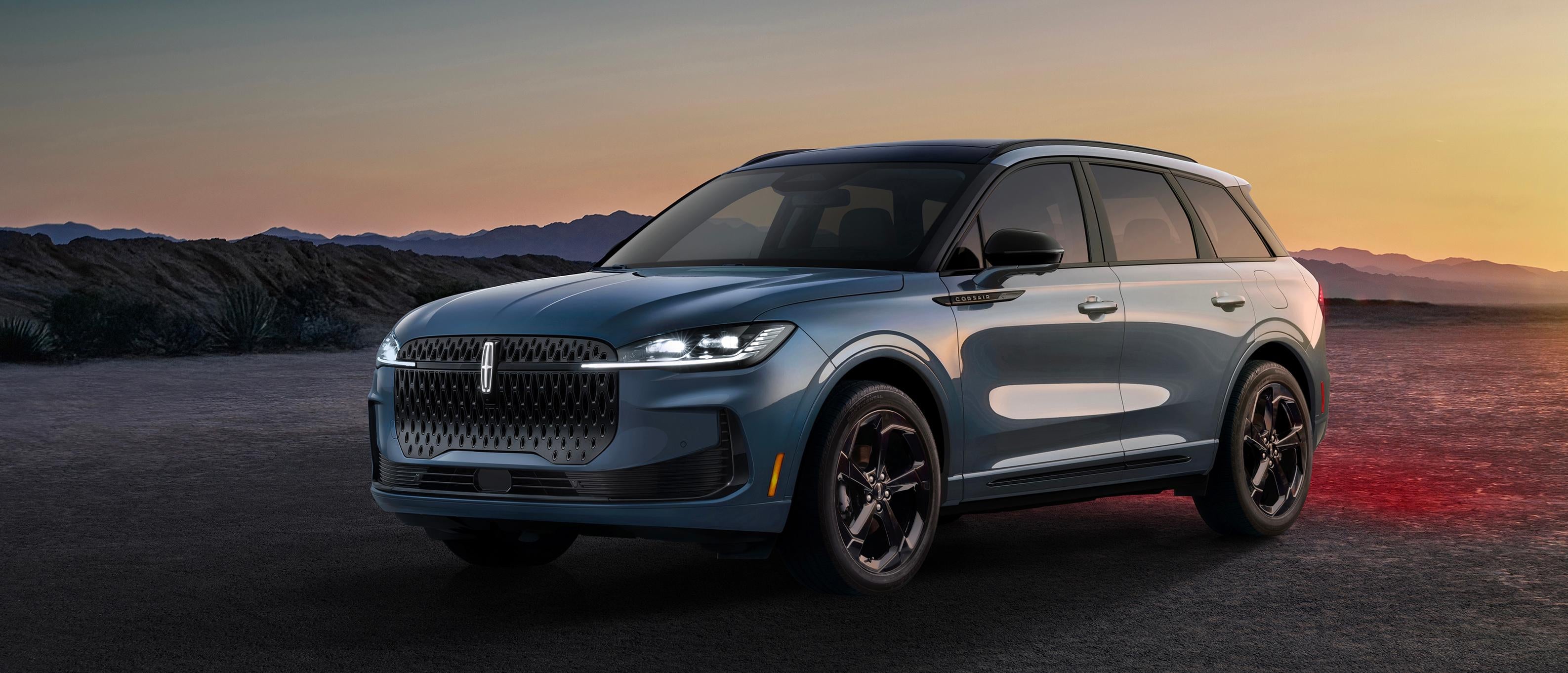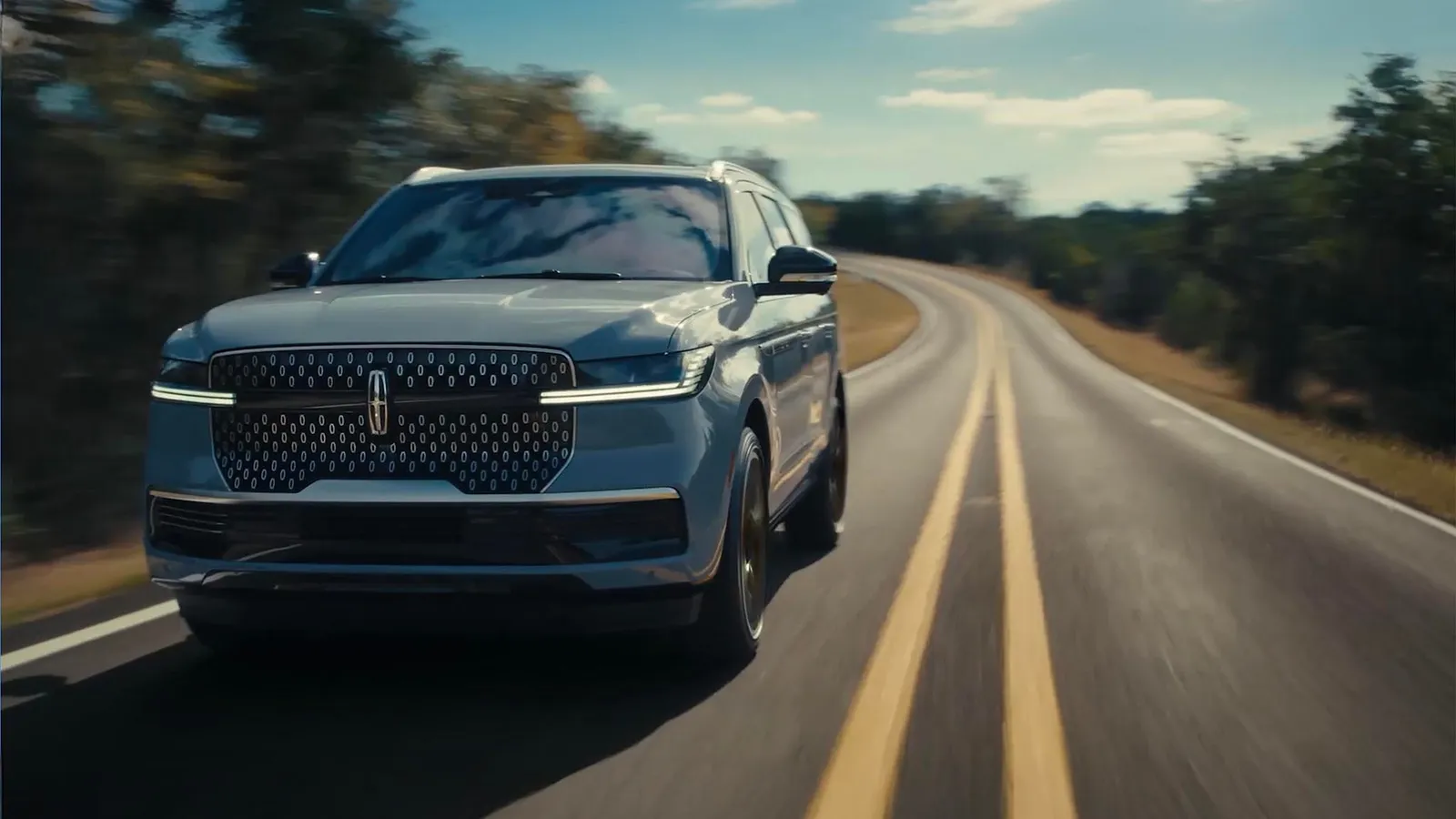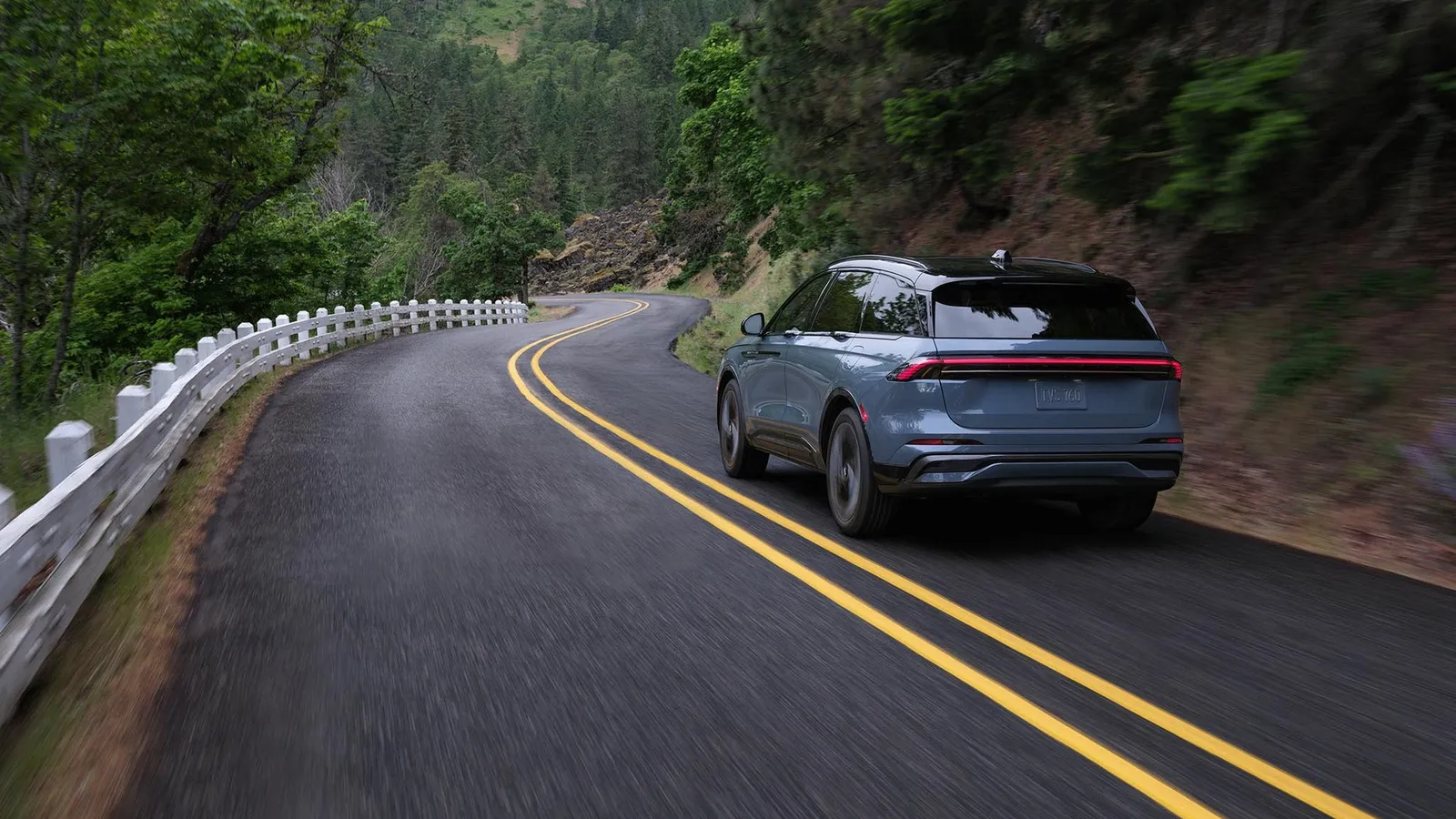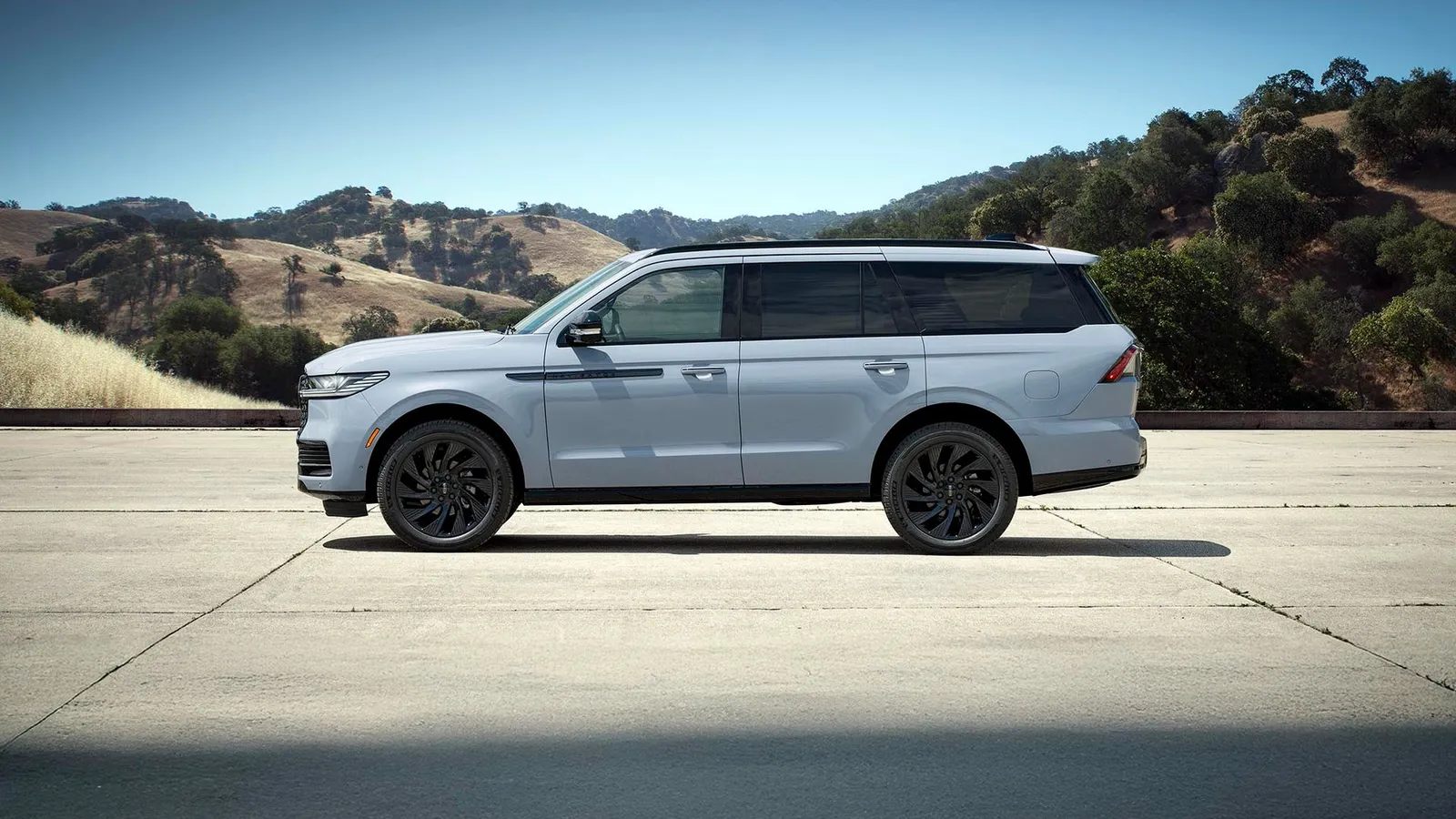
A used Lincoln should feel composed before it ever feels flashy. Whether you are considering a compact Corsair for Tacoma commutes, a family-ready Aviator, a Nautilus, or a Navigator with room for everyone, knowing how to inspect a used Lincoln helps you focus on the details that shape everyday ownership: comfort, technology, maintenance, and confidence behind the wheel.
A clean exterior and polished cabin are encouraging, but they are only the starting point. Take your time, ask direct questions, and let the vehicle's condition - not just its appearance - guide your decision.
Start With the Vehicle History and Service Records
Begin before the test drive. Ask to see the vehicle history report, maintenance records, and any documentation for recent repairs. A consistent service record is usually more meaningful than a low odometer reading alone. Luxury SUVs often have advanced features and more complex systems, so regular care matters.
Look for routine oil changes, brake service, tire replacements, battery inspections, and completed recall work. If the Lincoln has been serviced at a Lincoln retailer or by technicians familiar with the brand, that can offer useful context. It does not mean an independently maintained vehicle is automatically a poor choice, but gaps in records deserve a conversation.
Also confirm how the vehicle was used. A well-maintained highway-driven Lincoln may show less wear than one that spent years on short trips, even if the mileage is similar. For shoppers considering a certified pre-owned model, certification adds another layer of inspection and warranty coverage. It can be a smart fit when you value extra reassurance, while a conventional pre-owned vehicle may offer a wider selection of model years and equipment.
How to Inspect a Used Lincoln Outside
Walk around the vehicle slowly in good light. Look down each side rather than standing directly in front of it. Differences in paint shade, uneven panel gaps, overspray on trim, or mismatched body panels can point to previous bodywork. Prior repair is not necessarily a deal-breaker, but it should be disclosed and professionally completed.
Pay close attention to the areas that take the most abuse in the Pacific Northwest: the lower doors, rocker panels, wheel arches, liftgate edge, and underside. Road grit, moisture, and winter driving conditions can accelerate cosmetic wear. Surface marks are common; bubbling paint, corrosion, or loose underbody panels need further evaluation.
Check all four tires for even tread wear. Excessive wear on one edge can suggest an alignment or suspension concern. Make sure the tires match in brand, model, and size where appropriate, particularly on all-wheel-drive models. A vehicle with four mismatched tires may still be safe to drive, but it is a reasonable point to discuss before purchase.
Inspect the windshield and exterior lighting, too. Small windshield chips can spread during colder weather, and cloudy, cracked, or moisture-filled lamps can be costly to address. Open and close the doors, hood, and liftgate. They should operate smoothly without sagging, scraping, or unusual effort.
Sit in Every Seat and Test the Cabin Features
Lincoln cabins are built around quiet comfort, so this is where a thorough inspection becomes especially valuable. Start with the driver's seat. Check the leather or upholstery for cracking, staining, loose stitching, and excessive wear on the bolsters. Then test seat adjustments, heating, ventilation if equipped, memory settings, steering-wheel controls, and power tilt or telescoping functions.
Turn on the infotainment screen and give it a few minutes. Confirm that the display responds promptly, the navigation and audio functions work, the backup camera image is clear, and the Bluetooth connection pairs as expected. Test the climate controls at different fan speeds and temperatures. A system that blows cool air but does not respond consistently to settings deserves a closer look.
Do not skip the second and third rows. In an Aviator or Navigator, fold, slide, and recline the rear seats if equipped. Check that power-folding functions work properly and that cargo-area controls respond. For a Corsair or Nautilus, pay attention to rear-seat room, child-seat anchors, and the ease of loading everyday items. The right Lincoln is not just about feature count; it is about whether the space fits your life without compromise.
A faint rattle may be minor, especially on a vehicle with more miles, but a luxury vehicle should generally feel solid and quiet. Listen for wind noise around windows and panoramic roof panels during the drive.
Check the Powertrain, Including Hybrid Systems
With the engine cold, start the vehicle and listen. It should settle into a smooth idle without loud ticking, knocking, or persistent vibration. Watch the instrument panel for warning lights. The check-engine light should illuminate briefly during startup and then turn off. Any warning that remains on should be diagnosed before you commit.
Look under the hood for leaks, cracked hoses, corroded battery terminals, or signs of improvised repairs. You do not need to be a technician to spot something that looks neglected. A clean engine bay is nice, but an overly detailed one is not proof of mechanical health, either. Records and a pre-purchase inspection carry more weight.
If you are looking at a hybrid Lincoln, ask about its maintenance history and drive it long enough to experience transitions between electric and gas power. In normal operation, those transitions should feel natural. Check the charging equipment if the vehicle is a plug-in hybrid, and make sure the charge port door, cable, and related displays operate correctly.
Hybrid ownership can be an appealing choice for drivers with frequent stop-and-go travel through Puyallup, Federal Way, or Seattle. Still, the best choice depends on your driving pattern. A hybrid may make particular sense for regular city miles, while a gas model can be an excellent match for drivers who take longer highway trips or prefer a simpler ownership approach.
Take a Deliberate Test Drive
A short loop around the block is not enough. Drive on neighborhood streets and, if possible, at highway speed. Notice whether the Lincoln tracks straight, brakes smoothly, and shifts without hesitation. The steering should feel controlled rather than vague, and the suspension should absorb normal road imperfections without clunks or repeated bouncing.
Test the brakes with gentle and firmer stops in a safe area. Pulling to one side, steering-wheel vibration, or a brake pedal that feels unusually soft should be inspected. At highway speed, listen for humming that rises with speed, which can indicate tire or wheel-bearing concerns.
Use the driver-assist features only when conditions are appropriate. Confirm that the parking sensors, camera views, blind-spot monitoring, adaptive cruise control, and lane-support functions operate as intended for the vehicle's equipment level. These systems are designed to support an attentive driver, not replace one, but they should function reliably.
Have an Independent Inspection Before Finalizing
Even an informed walk-around cannot replace a professional pre-purchase inspection. A factory-trained technician can check for stored diagnostic codes, fluid condition, brake wear, suspension issues, battery health, and repairs that may not be visible from the outside. This step is particularly worthwhile for older models, higher-mileage SUVs, vehicles without complete records, or any Lincoln with a warning light or unusual driving behavior.
Ask for a clear explanation of the findings. Some recommendations are normal maintenance items, while others may change your decision. The goal is not to find a perfect used vehicle. It is to understand its real condition, likely needs, and whether those needs align with your expectations.
Choose the Lincoln That Feels Right for Your Routine
A careful inspection should leave you with more than a checklist. You should know how the Lincoln has been cared for, how it drives, and whether its size, seating, technology, and powertrain suit your daily life. A Navigator may be the natural choice for maximum passenger and towing capability, while a Corsair can make more sense for a smaller household. The Aviator and Nautilus sit in the middle, each offering a different balance of room, refinement, and road presence.
When you are ready, browse the available used Lincoln inventory, compare certified and pre-owned options side by side, and schedule a test drive with enough time to be thorough. The right vehicle should make every errand, commute, and weekend departure feel a little easier.
Frequently Asked Questions
Does Korum Lincoln sell certified pre-owned Lincoln vehicles?
Korum Lincoln is a Lincoln dealer and lists certified pre-owned vehicles on its website alongside other used inventory. Lincoln's certified program includes a multipoint inspection and added limited warranty coverage, with terms that depend on the tier and the vehicle. Ask the team in Puyallup which coverage applies to a specific vehicle and review the inspection report before you buy.
Should I check for open recalls on a used Lincoln?
Yes. Ask the seller to confirm that all recall work is complete, and check the vehicle identification number with the federal recall lookup or a Lincoln dealer. Safety recall repairs are generally performed at no charge by authorized dealers. If a used Lincoln you are considering near Tacoma or Puyallup has an open recall, the Korum Lincoln service team can schedule the repair.
What should I look for on a used Lincoln after Washington winters?
Western Washington winters are usually more wet than snowy at lower elevations, but drivers who cross the Cascade passes can pick up road treatments and grit. Look under the vehicle for corrosion, check the lower doors and wheel arches, and inspect the tires for uneven wear. Ask whether the vehicle has spent time in snowier regions, since that history can affect underbody condition.
How long should a used Lincoln test drive take?
Give yourself enough time to drive on neighborhood streets, a stretch of highway such as SR 167 or I-5, and a parking lot where you can test cameras and parking sensors. A rushed loop around the block will not reveal brake, steering or tire concerns. At Korum Lincoln in Puyallup, you can schedule a test drive in advance so the vehicle is ready when you arrive.