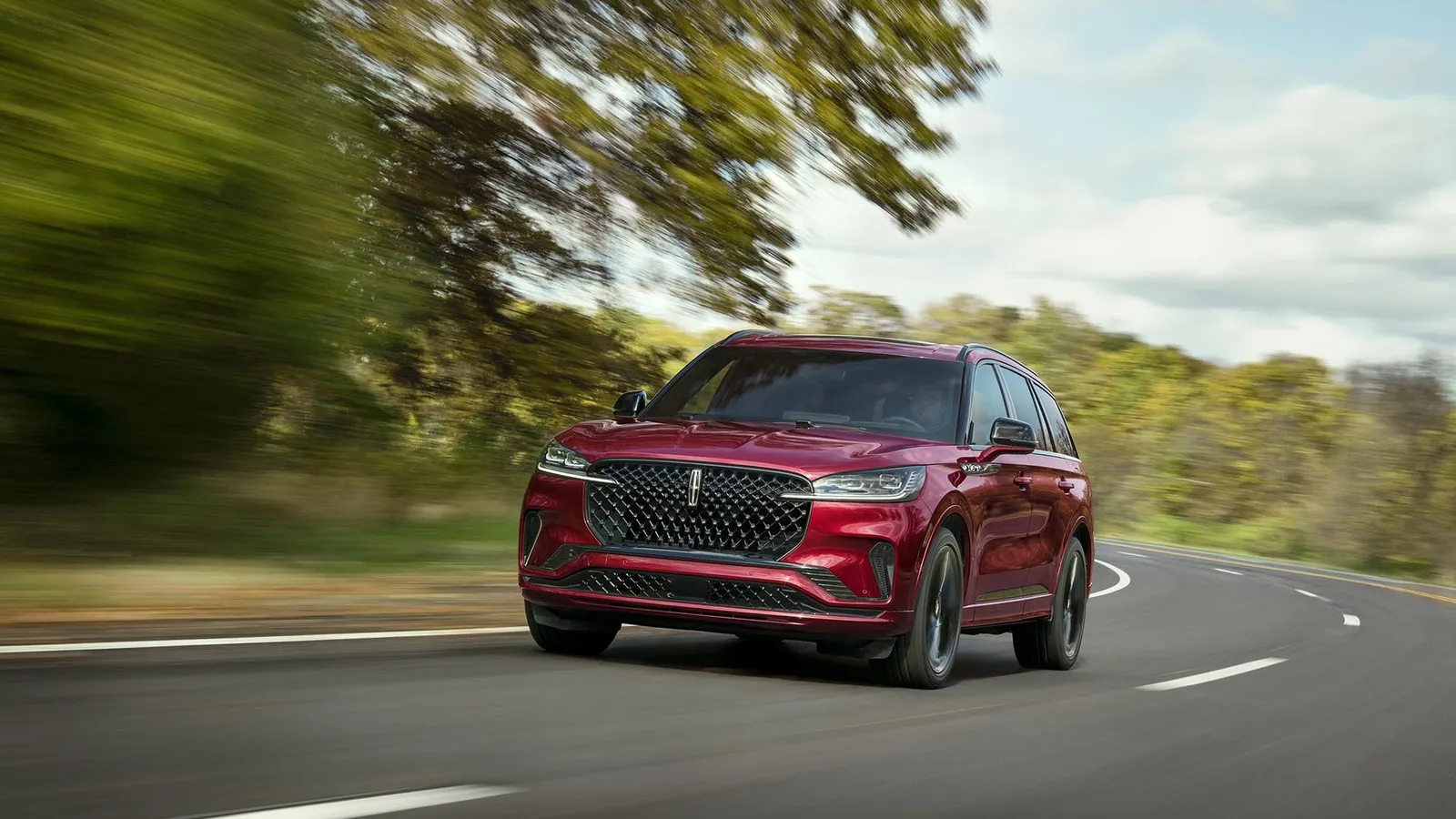
A luxury SUV should make your daily routine feel easier, from a quiet commute through Tacoma to a weekend trip beyond Olympia. The financing process should feel that way, too. This Lincoln finance approval guide explains what lenders review, how to prepare before applying, and how to select terms that fit the Lincoln you actually want to drive.
Approval is not simply a yes-or-no decision based on one number. Lenders look at the full picture: your credit history, income, existing monthly obligations, the vehicle selected, and the amount financed. A little preparation can make the conversation more productive and help you focus on the ownership experience rather than paperwork.
What Lenders Review for Lincoln Financing
When you submit a finance application, a lender is trying to understand two things: how reliably you have handled credit in the past and whether the proposed payment fits comfortably within your current financial picture. Credit scores matter, but they are only one part of the review.
Your credit report may show payment history, the age of your accounts, balances relative to available credit, recent applications, and any past-due accounts. Consistent on-time payments and manageable revolving balances generally help. If your score is not where you want it to be, that does not automatically end the conversation. A stable income, a reasonable down payment, a trade-in, or a shorter amount financed may improve the available options.
Lenders also verify income and consider debt-to-income ratio, which compares recurring monthly debt payments with gross monthly income. Mortgage or rent payments, credit cards, student loans, and auto loans can all be part of that calculation. The goal is not to stretch to the largest possible approval. It is to choose a payment that leaves room for the rest of life.
For many applicants, having a current driver's license, proof of residence, proof of income, and insurance information ready can prevent avoidable delays. If income comes from self-employment, commissions, retirement benefits, or multiple sources, bring documentation that clearly reflects those earnings.
Prepare Before You Apply
Start by reviewing your credit reports for inaccuracies. An incorrect late payment, account balance, or personal detail can affect a lending decision, and resolving an error may take time. Avoid opening new credit accounts or making major purchases on credit immediately before applying for an auto loan, since new inquiries and balances can change your profile.
It also helps to decide how much cash you are comfortable putting down. A down payment can reduce the amount financed, which may lower the monthly payment and improve the loan-to-value relationship. However, it should not empty an emergency fund. The right amount depends on your savings, trade-in value, and priorities.
If you have a vehicle to trade, gather its registration, payoff information if there is an existing loan, service records, and both sets of keys when available. A trade-in can be part of the transaction, but its value and any remaining payoff need to be considered separately. Knowing that distinction keeps the numbers clear.
Pre-qualification can be useful when you are early in the process and comparing possibilities. A full credit application is more appropriate when you are ready to select a vehicle and request a specific financing structure. The finance team at Korum Lincoln can help explain the difference and discuss the documentation appropriate for your situation.
Choose the Lincoln That Fits Your Ownership Plan
Your vehicle choice affects the financing conversation because loan terms are shaped by the amount financed, vehicle age, mileage, and lender guidelines. Before settling on a payment target, consider how you will use the SUV most days.
The Corsair is a natural fit for drivers who want Lincoln comfort and thoughtful design in a more maneuverable SUV. It can make sense for regular city driving around Puyallup, Federal Way, or Seattle, while still giving you the elevated cabin experience expected from the brand. The Nautilus offers a roomier two-row option for buyers who want generous passenger space and a calm, technology-forward cabin.
For three-row needs, the Aviator brings flexible family space and confident performance without stepping into the largest footprint. The Navigator is designed for buyers who need expansive passenger room, substantial cargo capacity, and an especially commanding road presence. A test drive matters here. The best financing plan starts with confidence that the vehicle will serve your household well for years, not just look good on paper.
Hybrid-curious shoppers should also look beyond the fuel source alone. Consider your usual mileage, access to charging if applicable, and whether efficiency, performance, or reduced fuel stops is the primary goal. A finance professional can structure the vehicle side of the transaction, while a product specialist can help you compare the driving and ownership differences among available powertrains.
New or Certified Pre-Owned: The Approval Considerations
New and certified pre-owned Lincoln vehicles can both be excellent choices, but they answer different ownership needs. New models provide the latest design, technology, available powertrains, and full factory coverage. Depending on current lender and manufacturer programs, a new vehicle may also have financing options that differ from pre-owned vehicles.
A certified pre-owned Lincoln can be appealing if you value a carefully inspected vehicle with warranty coverage and a more established vehicle history. Financing availability can vary based on model year, mileage, and lender rules. That means the comparison should not stop at the monthly payment. Ask about the interest rate, term length, warranty coverage, expected maintenance, and total amount financed.
A longer term may reduce the monthly payment, but it can increase the total interest paid over the life of the loan and may leave you with less equity early on. A shorter term usually builds equity faster and reduces interest, though the monthly commitment is higher. Neither is universally better. The practical choice is the one that supports your budget without compromising the vehicle, coverage, or ownership flexibility you value.
Questions Worth Asking Before You Sign
A transparent finance discussion should leave you clear on the details, not rushed past them. Ask whether the quoted payment includes taxes, fees, and any optional protection products. Ask how the rate and term affect the total cost of financing. If you are using a trade-in, confirm how its value and any payoff are being applied.
You may also want to discuss protection options based on your actual driving habits. Coverage can be worthwhile for some owners, especially those who plan to keep their vehicle for many years or drive high annual mileage. For others, it may not fit their needs. The right answer depends on the plan, the vehicle, and your comfort level with future repair risk.
If you have a co-applicant, understand that both applicants' credit and income information may be considered. A co-applicant can strengthen an application in some cases, but both people are responsible for the loan. That is a decision to make carefully and openly.
Make Approval the Start of an Effortless Experience
Finance approval is an important milestone, but it is only the beginning of Lincoln ownership. The right vehicle and payment should support the life you want to lead, whether that means school drop-offs in Spanaway, client meetings in Seattle, or relaxed family travel across the South Puget Sound.
When you are ready, gather your documents, consider your trade-in and down payment, then apply for financing or schedule a test drive. A thoughtful conversation with a Lincoln specialist can help you compare current new and used vehicle options and move forward at a pace that feels comfortable.
Frequently Asked Questions
Can I get approved for a Lincoln with less than perfect credit?
Often, yes. Lenders consider income, existing debt, down payment and the vehicle, not only your score. A larger down payment, a trade-in or a co-applicant can improve your options, though rates and terms depend on lender approval. The finance team at Korum Lincoln in Puyallup can review your application and explain the choices available for your situation.
Does Lincoln offer special financing?
Lincoln periodically offers special financing and lease programs on select new models, and the terms change often. Eligibility depends on credit approval and the specific vehicle. Check the current specials on the Korum Lincoln website or ask the finance team which programs apply when you are ready to buy, and compare them with standard financing.
Should I lease or finance a Lincoln?
Leasing usually means lower monthly payments and a newer vehicle every few years, but it comes with mileage limits and wear guidelines. Financing builds ownership and suits drivers who log long miles between Puyallup, Seattle and beyond or plan to keep the SUV for years. Compare the total cost of each option with the Korum Lincoln finance team before deciding.
What documents do I need for a car loan in Washington?
Bring a valid driver's license, recent proof of income such as pay stubs or tax returns, proof of residence, and current insurance information. If you are trading in a vehicle, bring its title or payoff details and registration. Requirements vary by lender, so check with Korum Lincoln in advance and avoid a second trip from Tacoma, Auburn or Federal Way.